Everything you need to know
Swim Meets
A guide to preparing for meets, understanding how they work and supporting your swimmer.
Swim meets give swimmers an opportunity to practise racing, use the skills they have learned in training and see how they are progressing.
Meets should be a positive learning experience. Personal bests are exciting, but they will not happen in every race. Nervousness, difficult swims and mistakes are all normal parts of becoming a competitive swimmer.
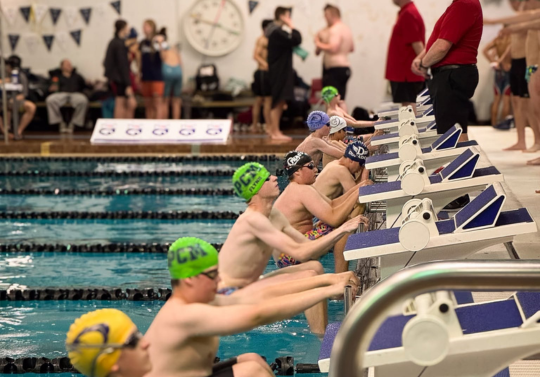
Swim meets rely on volunteers
Every swim meet is run by volunteers. When PCM hosts a meet, families will be expected to help by officiating or completing another meet role. Training and support are available, including roles suitable for parents who are completely new to competitive swimming.
Understanding the pathway
Types of Swim Meets
Swimmers attend different types of meets depending on their training group, experience and qualifying times. Coaches will let swimmers know which meets are appropriate for them.
Nova Tech Meets
Nova Tech meets introduce newer swimmers to competitive swimming in a supportive environment.
All Nova Tech meets take place in a 25-metre short-course pool. Swimmers begin with 25-metre races. As they progress through the Nova Tech levels, they gradually compete in longer events, up to 200 metres.
Swimmers progress through Participation, Bronze, Silver and Gold levels by achieving the required Nova Tech time standards.
During the early Nova Tech levels, the focus is on learning how to race and becoming comfortable at meets. Disqualifications are introduced at Level 2, when swimmers are working toward their Nova Tech Gold level.
Learn About Nova TechAge Group Developmental Meets
Age Group developmental meets give swimmers additional racing experience and opportunities to improve their times.
These meets may include swimmers at different stages of the Age Group pathway. Swimmers use these competitions to work toward AA, AAA and higher qualifying standards.
Learn About Age GroupChampionship Meets
Championship meets require swimmers to achieve specific qualifying times.
Depending on their age and times, swimmers may qualify for:
- AA Championships
- AAA Championships
- East Coast Championships
- National-level competitions
Coaches will tell swimmers which championship meets and events they qualify for.
Short-Course Meets
Short-course meets take place in a 25-metre pool.
All Nova Tech meets are short course. Age Group swimmers also compete in short-course meets during the season.
Long-Course Meets
Long-course meets take place in a 50-metre pool.
These meets give Age Group swimmers experience racing in the same pool length used for major national and international competitions.
Short-course and long-course times are recorded separately because pool length affects race times.
Away and Overnight Meets
Many swim meets take place outside Pictou County. Some are close enough for families to travel to and return home on the same day. Longer or multi-day meets may require an overnight hotel stay.
Families are responsible for their own:
- Transportation
- Accommodation
- Meals
- Other travel expenses
PCM may arrange a team hotel block for some meets. Families will receive the booking information but will normally book and pay for their own rooms.
Before the deadline
Declaring Attendance
Meet information and declaration deadlines will be sent by email. Coaches will also discuss upcoming meets with swimmers and let them know which meets are appropriate for them.
Parents must declare whether their swimmer will attend in PoolQ by the stated deadline.
For longer meets, parents must also indicate which days or sessions their swimmer can attend.
Parents do not select their swimmer's events. The coach will discuss the events with the swimmer and complete the meet entries.
Most meet-entry costs are included with PCM registration. Travel, accommodation and meals are not included.
If you are unsure whether your swimmer should attend a meet, ask their coach before the declaration deadline.
Please respond either way
Please declare attendance even when your swimmer cannot attend.
Late declarations may not be accepted after PCM has submitted its entries to the meet host.
How to Declare in PoolQMeet-day preparation
Preparing for a Swim Meet
Meet information will be sent by email and may also be available in PoolQ. Information can change, so always check the most recent email before leaving for the meet.
Before the Meet
Check the following information:
- Meet location and date
- The session your swimmer is attending
- Warm-up time
- Meet start time
- Parking and entrance information
- Team seating arrangements
- Timing or volunteer assignments
- Travel and accommodation arrangements
What Swimmers Should Bring
- Swimsuit or an approved racing suit
- PCM swim cap
- PCM team shirt
- Goggles and a spare pair
- A spare swim cap
- At least two towels
- A filled water bottle
- Plenty of familiar food and snacks
- Warm clothing or a deck coat
- Pool shoes
- Dry clothes for travelling home
- Any required medication or personal items
Label equipment and clothing with the swimmer's name whenever possible.
What Parents May Want to Bring
- Comfortable, cool clothing because pool venues can be hot
- A bleacher cushion
- Food and water
- A phone charger
- A pen and highlighter
- Something to pass the time between events
Swim meets can be long. Bring more food, water and towels than you think you will need.
Food and Hydration
Swimmers should begin the day with a familiar meal and bring enough food and water for the entire session.
Good meet snacks are familiar, easy to digest and simple to eat between races. Options may include:
- Fruit or apple sauce
- Yogurt
- Sandwiches or wraps
- Crackers
- Granola bars
- Cheese
- Pretzels
- Simple pasta or rice dishes (if not going home between sessions)
Encourage swimmers to eat small amounts throughout the day rather than having a large meal immediately before racing.
Meet day is not the time to experiment with new foods or drinks.
Arriving at the Meet
Plan to arrive at least 15 minutes before the scheduled warm-up time. Allow additional time for parking, entering an unfamiliar facility and finding the PCM team area.
When swimmers arrive, they should:
- Find the PCM team area
- Check in with their coach
- Change and prepare for warm-up
- Warm up with the team
- Listen for instructions and announcements
Tell the coach immediately if your swimmer will be late or can no longer attend. Meet scratches are often processed before warm-up, and a swimmer who arrives late without contacting the coach may miss their events.
During the Meet
Swimmers should:
- Stay in the PCM team area unless they have permission to leave
- Pay attention to event announcements
- Know which event they are swimming
- Speak with the coach before each race
- Report to marshalling or the starting area on time
- Return to the coach after each race for feedback
- Cool down when instructed
- Cheer for their teammates
- Keep the team area tidy
Parents should avoid calling swimmers away from the team area when they may need to report for an event.
Swimming terminology
Understanding Meet Information
Swim-meet information can feel confusing at first. These are some of the most common terms parents and swimmers will hear.
| Event | The stroke and distance being raced. |
|---|---|
| Heat | A smaller group of swimmers racing the same event. Larger events are divided into several heats. |
| Lane | The lane assigned to the swimmer for that race. |
| Seed Time | The swimmer's previous official time used to place them in an appropriate heat. |
| NT or No Time | The swimmer has not previously recorded an official time in that event. |
| PB | Personal best: the swimmer's fastest official time in that event. |
| Scratch | A swimmer has been withdrawn from an event or session. |
| Psych Sheet | A list of swimmers entered in each event, usually ordered by seed time. It does not show final heat and lane assignments. |
| Heat Sheet | The meet program showing swimmers' event, heat and lane assignments. .png) |
| Timeline | An estimate of when each event will begin. Timelines can change as the meet progresses. |
| Short Course | A meet held in a 25-metre pool. |
| Long Course | A meet held in a 50-metre pool. |
DQ or Disqualification
A normal part of learning competitive swimming.
A DQ means that a swimming rule was broken and the result will not count as an official time.
DQs are common, particularly when swimmers are developing new strokes, starts and turns. The coach will explain what happened and help the swimmer work on it in practice.
Parents should not approach an official about a DQ. Any questions should go through the coach.
Nova Tech swimmers
Disqualifications are not introduced during the early Nova Tech levels. They begin at Level 2, when swimmers are working toward their Nova Tech Gold level.
Following the meet
Meet Mobile
Meet Mobile is an app that may allow parents and swimmers to follow meet information and results from their phones.
What you may find in the app
- Event entries
- Psych sheets
- Heat and lane assignments
- Heat sheets
- Estimated event times
- Race results and splits
Important to know
- Not every swim meet is available on Meet Mobile.
- Meet information may not appear until shortly before the meet.
- Information and results can sometimes be delayed or incomplete.
- Meet timelines are estimates. Events may run earlier or later than expected.
Always check official information
Information provided by your coach, PCM emails, PoolQ and the host club should always take priority over information shown in Meet Mobile.
Your role at the meet
Supporting Your Swimmer
Swim meets can bring excitement, nerves, disappointment and pride—sometimes all in the same day. Parents play an important role in helping swimmers enjoy the experience and develop confidence.
Before the Race
- Keep conversations calm and positive.
- Allow the coach to prepare the swimmer for the race.
- Avoid adding extra instructions or pressure.
- Encourage effort, confidence and having fun.
During the Race
- Cheer positively for all PCM and other team swimmers.
- Let the coaches coach and the officials officiate.
- Remember that every race is a learning opportunity.
- Model good sportsmanship and respect.
After the Race
- Give your swimmer time to speak with their coach.
- Celebrate effort, courage and progress—not only results.
- Ask what they enjoyed or learned.
- Keep difficult races in perspective.
Communicating with Coaches
Choose the right time for questions.
Coaches are focused on swimmers during warm-ups, races and throughout the meet. If you have a question or concern, please ask when the coach is available or arrange another time to talk.
Questions about events, results, disqualifications or meet decisions should always go through the coach rather than an official.
Before Leaving the Meet
Always check before heading home.
- Make sure your swimmer has completed all of their events.
- Check with the coach before leaving, as your swimmer may be needed for a relay or team responsibility.
- Collect all belongings and help keep the team area tidy.
- Make sure any volunteer or officiating responsibilities have been completed.
Progress is about more than the clock.
Every meet gives swimmers an opportunity to develop skills, confidence, resilience and independence. Your calm, positive support helps make the experience a successful one.